
Immemorial Tradition
Tulpetlac is the site of the Fifth Guadalupan Apparition, meaning the place where the Virgin Mary appeared to Juan Bernardino, healed him, and revealed the name "Guadalupe" by which she wished to be called. This is the place of the Fifth Apparition according to an immemorial tradition, already ancient by the time of the 1666 Information (a testimonial and legal document for knowing and approving the Guadalupan tradition).
Juan Diego, being a native (resident) of Cuautitlán, lived in Tulpetlac (Tolpetlac) by 1531 with his uncle Juan Bernardino. It is important to consider the meaning of the word "neighbor" (vecino), which is equivalent to being from a certain place; thus, being a resident of one place, one could live elsewhere, as affirmed of Antonio Valeriano, who was a native of Azcapotzalco while residing in Tlatelolco, according to Bernardino de Sahagún in the prologue to the second book of his General History of the Things of New Spain. However, this word caused confusion among oral informants, except for the one who gave his testimony in writing, Becerra Tanco.
Luis Becerra Tanco and the Confirmation of his Testimony
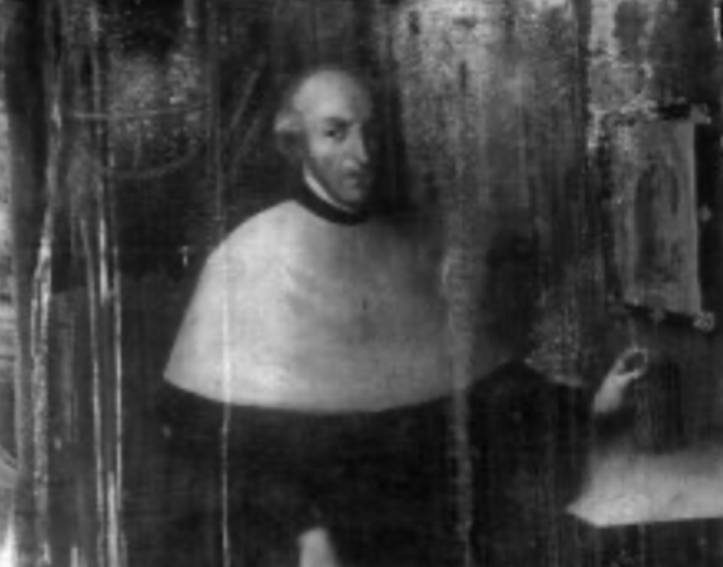
Fr. Luis Becerra Tanco
The erudite priest of the Oratory of Saint Philip Neri, Luis Becerra Tanco, the best-qualified witness of the 1666 Information and the only one to leave his testimony in writing, pointed to Tulpetlac by location as the place where Juan Diego lived in December 1531 with his uncle Juan Bernardino. In other words, he identifies Tulpetlac as the site of the Fifth Apparition with these words: "by the traces that have been found" he came "from the town of Tulpetlac, which falls around the highest hill, and is one league distant from it to the northeast."
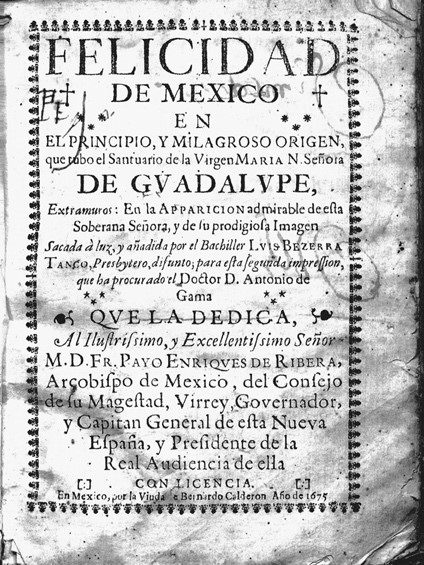
Book: Felicidad de México.
Tulpetlac as the site of the Fifth Apparition is data confirmed by Guadalupan historians: the priest Dr. Francisco de Siles, organizer of the 1666 Information, who published the written statement of Father Becerra Tanco titled "Papel" or also "Origen milagroso del santuario de Ntra. Señora de Guadalupe," a publication that Father Becerra Tanco corrected and expanded, writing its new title: "Felicidad de México" (which remained unpublished).
Father Antonio de Gama, a native of Cuautitlán who was designated to take the statements of the witnesses for the 1666 Information, independently published and prefaced the book "Felicidad de México" in 1675. He called the reports "better founded," contrary to those he himself received in the Information regarding the Fifth Apparition.
Father Francisco de Florencia SJ, in his work "Estrella del Norte de México..." from 1688, states: "while the blessed Juan Diego went up and down the hill with the roses, the most blessed Virgin Mary appeared in the town of Tulpetlac, two leagues distant from the site of Guadalupe, to his uncle Juan Bernardino, who, already struggling with the bitterness of death, suddenly found himself with the Mother of sweetness and life."
The Topography according to the Uppsala Map of 1555
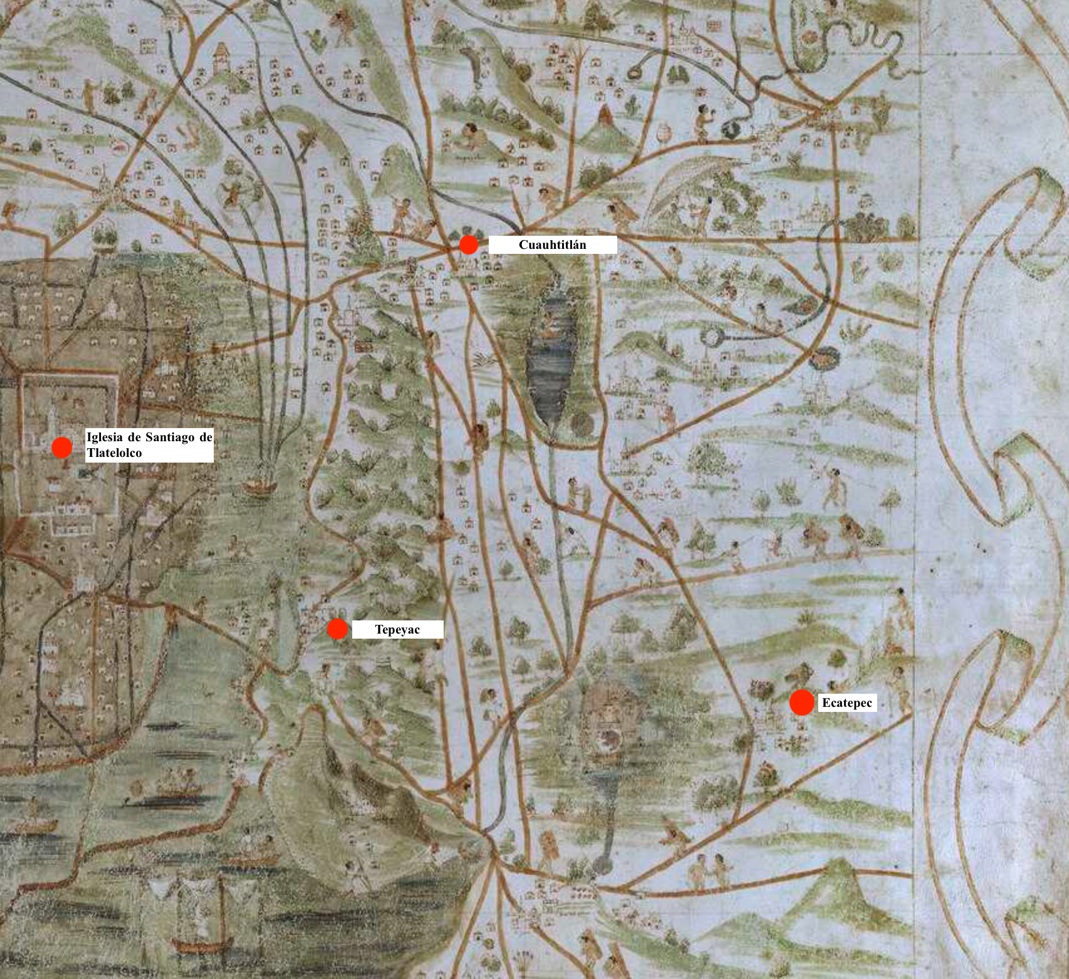
The journey made by Juan Diego on December 12, 1531, was from Tulpetlac to Tlatelolco, passing through Tepeyac. It is implausible to think he left from Cuautitlán, as the usual path from Cuautitlán to Tlatelolco does not pass through Tepeyac (both in Juan Diego's time and today).
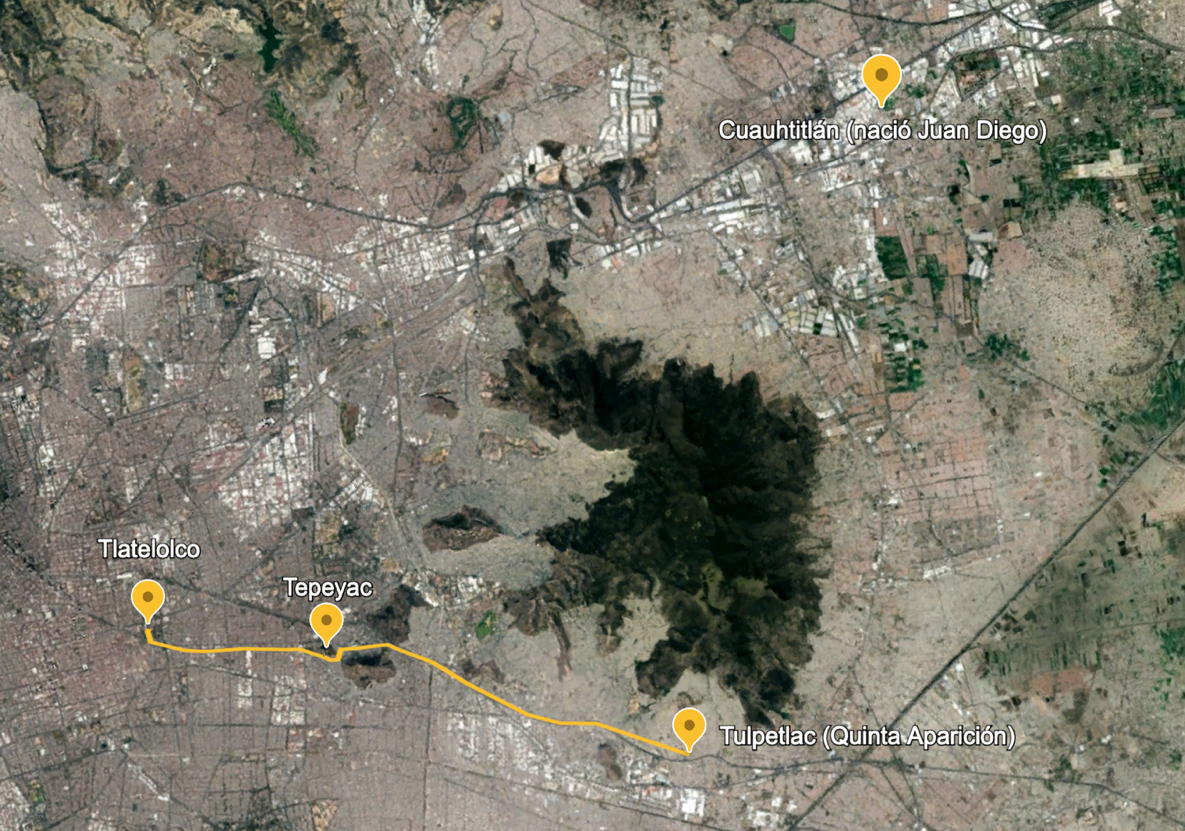
These same routes have existed since Juan Diego's time, as we know from the Uppsala Map, a survey of the Valley of Mexico carried out in 1555. This map was created just a few years after the apparitions by a Royal Cartographer of Emperor Charles V, Don Alfonso de Santa Cruz. It is currently located in the Library of Uppsala University, Sweden. It was made known through a copy produced in the lithographic workshops of the Swedish army and hand-colored in Madrid in 1982 at the Columbian Exhibition.
We see that on the route Juan Diego took from Tulpetlac (Ecatepec) towards Tlatelolco, it was necessary to pass through Tepeyac, while the map also shows that when going from Cuautitlán to Tlatelolco, one does not pass through Tepeyac, as there is a direct route (still today).
Presence of Franciscan Priests in Cuautitlán
In 1531, there was already a Franciscan presence, as this place was among those that received early evangelization, as stated by Friar Toribio de Benavente, Friar Gerónimo de Mendieta, and Friar Agustín de Betancourt. Fortino Hipólito Vera, quoting Orosco y Berra, says that "there is a stone cross in the cemetery of the town of Cuautitlán, whose paten indicates it was made in 1525, the same year the convent was founded."
Alonzo Núñez de Haro accepts the construction of the Hermitage in honor of the Fifth Guadalupan Apparition in Tulpetlac
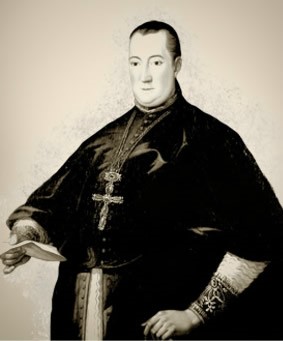
Alonzo Núñez de Haro, Archbishop of Mexico.
The Archbishop of Mexico, Don Alonzo Núñez de Haro y Peralta, authorized the construction of the Hermitage of the Fifth Guadalupan Apparition on March 10, 1789, at the request of Viceroy D. Manuel Antonio de Flores, to which he responded as follows:
"I have seen the file promoted by the priest and People's Republic of Santa María Tulpetlac... in which they request a license to erect a chapel on the site where, according to the common tradition... the Blessed Virgin of Guadalupe appeared to the Indian Juan Bernardino, uncle of Juan Diego, healed him of his illness, and expressed the title by which she wished to be invoked [...] the tradition is constant in the aforementioned parish and town and in others around it, and therefore their request seems pure and orderly to me."
This statement is important because it comes from the highest ecclesiastical authority in Mexico at that time and confirms the popular tradition, supporting it and thus acknowledging that this was the site of the Fifth Guadalupan Apparition.
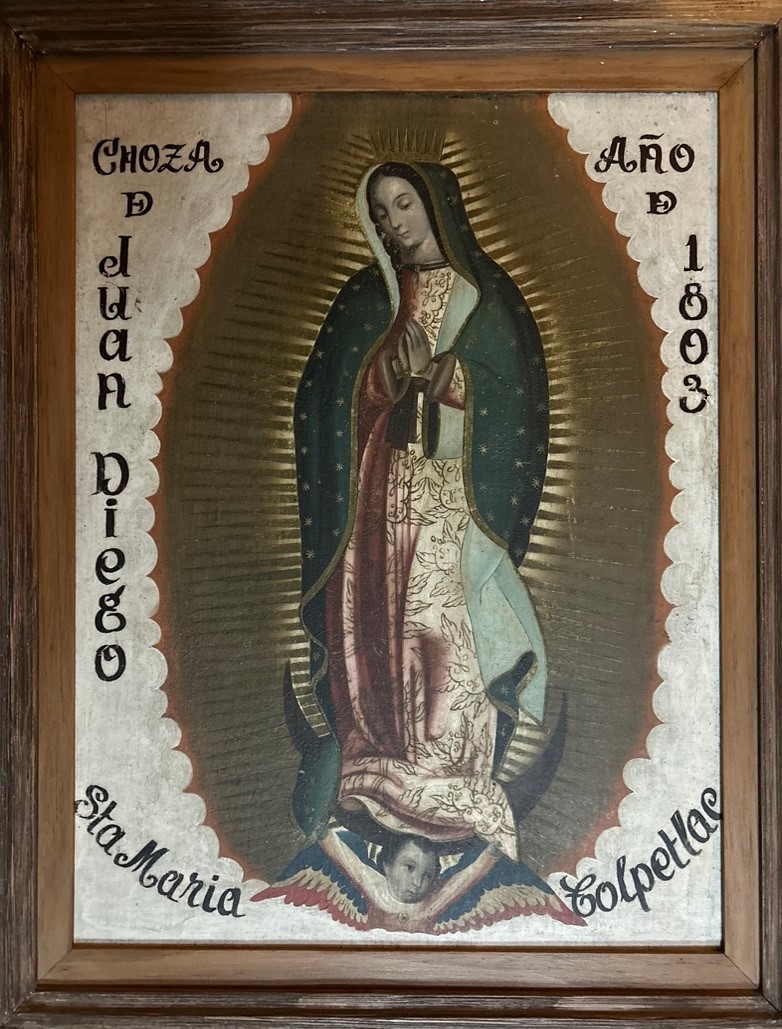
Painting of "Juan Diego's Hut" in Tulpetlac 1803
Although the date of the blessing of the Chapel of the Fifth Guadalupan Apparition of Tulpetlac is not known, it is clear that by 1803, the Most Holy Virgin Saint Mary of Guadalupe was already worshipped in her chapel in Tulpetlac called "Juan Diego's Hut."
On the other hand, it is important to remember that the Guadalupan Chapel of Juan Diego in Cuautitlán, promoted by Doña María Loreto de Revueltas, was approved ten years later (November 27, 1799) and was built for the purpose of worshipping the Virgin Saint Mary of Guadalupe and keeping Juan Diego in good memory at the place where his house stood; no allusion is ever made to the Fifth Apparition of the Virgin to Juan Diego's uncle, Juan Bernardino, nor was it erected to honor the Virgin's apparition to the visionary Juan Bernardino, as is the case in Tulpetlac.
Before the chapel in Cuautitlán was built, New Guadalupan Information was promoted in 1789, where the former parish priest of Cuautitlán, Don Cristóbal de Mendoza, was interviewed, who in his testimony stated that Juan Diego:
"Was married to María Lucía, an Indian from the town of Tulpetlac, with whom he lived in the house of Juan Bernardino, his uncle..." This points to the fact that the Fifth Apparition of the Virgin to Juan Bernardino was indeed in Tulpetlac, as well as the lack of tradition until that moment in Cuautitlán that the Virgin appeared to Juan Diego's uncle.